Works & Process
Electrical Defect Notices in NSW: What They Mean and What to Do
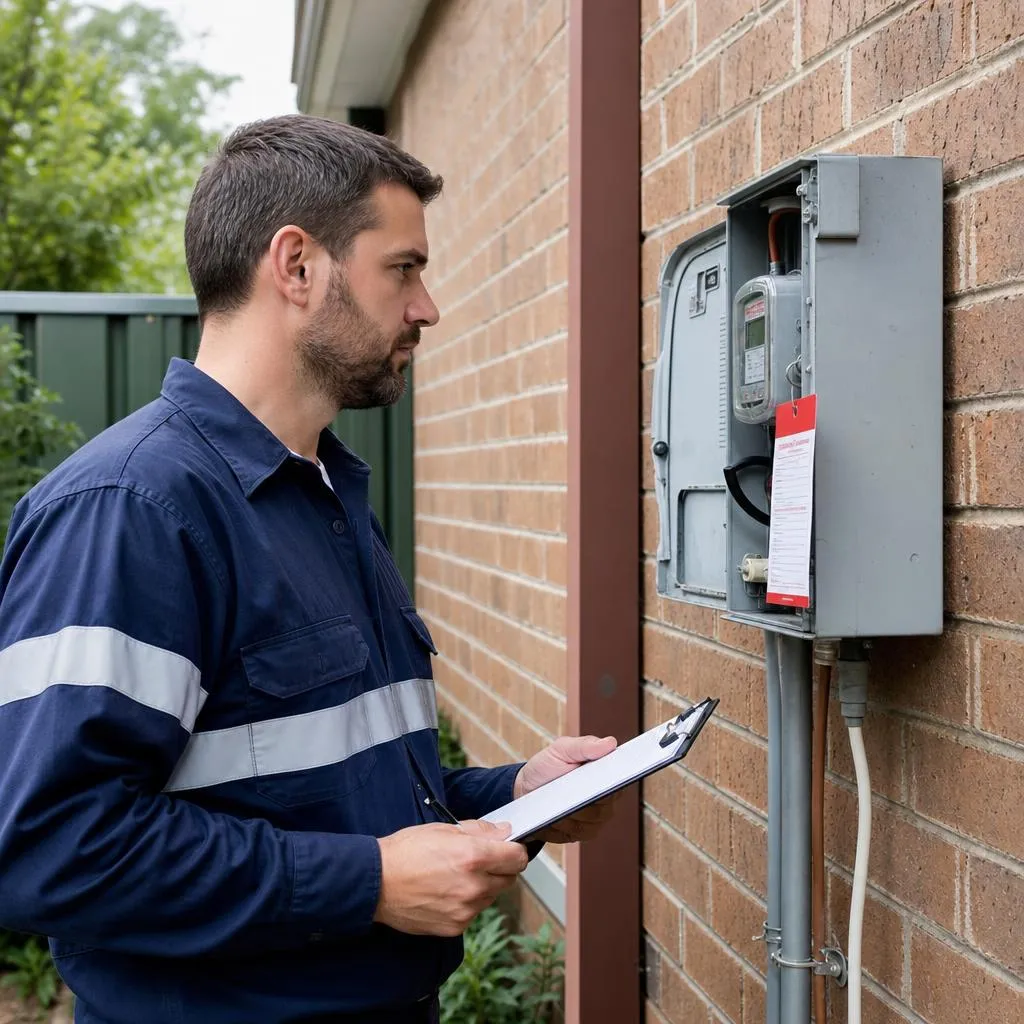
An electrical defect notice is a formal notice issued by the network — Ausgrid, Endeavour Energy or Essential Energy — when an inspection finds part of your customer-side connection to be unsafe or non-compliant with the NSW Service and Installation Rules. It typically covers things like a deteriorated private pole, a failing point of attachment, non-compliant consumer mains, or an unsafe metering arrangement. Because the defect is on the customer side of the connection, rectifying it is Level 2 ASP work, and it must be carried out and certified within the timeframe the notice specifies. This guide explains why notices are issued, what the defect classes mean, how an ASP rectifies them, and how to avoid receiving one in the first place.
Why Defect Notices Are Issued
Networks inspect supply infrastructure and, when a fault is identified that could cause a hazard or that breaches the rules, they issue a defect notice to the responsible party — usually the property owner. Common triggers include a leaning or rotten private pole, a point of attachment pulling away from a building, perished or undersized consumer mains, vegetation contacting the service line, and metering equipment that no longer complies.
The notice is not a fine; it is a requirement to make the connection safe and compliant. Ignoring it, however, can lead to the network disconnecting your supply, so it is important to act within the stated timeframe.
Sometimes a defect notice is the first a homeowner hears that part of their connection — a pole, the mains, the attachment — is their responsibility rather than the network's. Understanding the ownership boundary explained in our service mains guide makes the notice far less confusing.
Understanding the Defect Classes
Defect notices are typically classified by urgency. The most serious class is an imminent hazard — a fault that presents an immediate danger, such as an unstable pole carrying live conductors or an attachment that could bring the service line down. These demand prompt action, sometimes within a very short window, and the network may make the site safe pending rectification.
Lower-priority classes cover defects that are non-compliant or deteriorating but not an immediate danger. These carry a longer rectification period, but the clock is still running and the work must be completed and certified within the stated time.
The exact class names and timeframes vary between the networks, but the principle is consistent: the more dangerous the defect, the faster it must be fixed. Whatever the class, the rectification itself must be carried out by a Level 2 ASP and certified back to the network.
How a Level 2 ASP Rectifies a Defect
The first step is an assessment: a Level 2 ASP reads the notice, inspects the identified defect, and determines exactly what work is required to make the connection safe and compliant. This might be a pole replacement, a new point of attachment, replacement of the consumer mains, a metering panel upgrade, or a combination.
The work is then carried out — often requiring a coordinated disconnection and reconnection with the network — and inspected. Finally, the Level 2 ASP lodges the required certification and notifications with the network to formally clear the defect. Without that certification, the notice remains open even after the physical work is done.
Sydney Power Group rectifies defect notices across Ausgrid, Endeavour Energy and Essential Energy, managing the whole process from assessment to certification so the notice is properly cleared — see our defect notice rectification service.
Acting on a Notice Without Panic
Receiving a defect notice can be alarming, but the process is well-established and straightforward once a Level 2 ASP is engaged. The key is not to leave it: contact an ASP promptly, have the defect assessed, and get the rectification scheduled within the timeframe on the notice.
For an imminent-hazard notice, treat it as urgent — our 24/7 emergency team can attend where a defect presents an immediate danger. For lower-priority notices, the work can be planned, but it should still be booked in rather than forgotten until the deadline approaches.
Clearing a defect promptly protects your supply from disconnection and, more importantly, removes a genuine safety hazard from your property. As authorised ASPs we handle the assessment, the physical work and the certification so the matter is fully resolved.
Preventing Defect Notices Before They're Issued
The most cost-effective way to deal with a defect notice is to avoid one in the first place. Because defects are usually the result of gradual deterioration — a slowly rotting pole, a corroding attachment, mains that have been undersized for years — they are largely predictable and preventable with periodic attention.
For properties with older infrastructure, a periodic inspection of the private pole, point of attachment and consumer mains identifies the components that are approaching the end of their life before the network flags them. Addressing a tired attachment or an ageing pole on your own timetable is far less stressful and disruptive than reacting to an imminent-hazard notice with a short deadline.
It is also worth acting on the early warning signs the property itself gives you: dimming lights, warm cabling at the switchboard, a sagging service line, or visible deterioration around the meter. These are often the same symptoms that precede a defect notice, and having a Level 2 ASP assess them early means the work can be planned rather than rushed. Prevention keeps both your supply secure and your property safe.
Frequently Asked Questions
What is an electrical defect notice?+
It's a formal notice from the network (Ausgrid, Endeavour Energy or Essential Energy) stating that part of your customer-side connection has been found unsafe or non-compliant with the NSW Service and Installation Rules, and must be rectified by a Level 2 ASP within a set timeframe.
What does an 'imminent hazard' defect mean?+
It is the most serious class, describing a fault that presents an immediate danger — such as an unstable pole or a failing point of attachment. It demands prompt action, and the network may make the site safe pending rectification.
How long do I have to fix a defect notice?+
The timeframe depends on the defect class stated on the notice — imminent hazards must be dealt with quickly, while lower-priority defects allow more time. The exact periods vary between networks, but the work must be completed and certified within the stated window.
What happens if I ignore a defect notice?+
The network can ultimately disconnect your supply if a defect is not rectified within the required timeframe. Beyond that, the defect is a genuine safety hazard, so it should be addressed promptly.
Who can rectify a defect notice?+
Because defects are on the customer side of the connection, rectification is Level 2 ASP work. The ASP carries out the repair, arranges any network disconnection, and lodges the certification that formally clears the notice.
Do I have to pay a fine for a defect notice?+
A defect notice is not a fine — it is a requirement to make your connection safe and compliant. You do, however, pay for the rectification work carried out by the Level 2 ASP.
Is the work finished once the repair is done?+
Not until it's certified. The Level 2 ASP must lodge the required certification and notifications with the network to clear the notice. Without that, the defect remains open even after the physical work is complete.
Call us now for a no-obligation quote. Emergency response available 24/7.
0466 125 125Get a Free QuoteRelated Services
What Sydney Says About Us
Don't take our word for it — read genuine reviews from real customers on our Google profile, or leave one after your job is done.
Read Our Google Reviews

Need a Level 2 ASP Electrician?
Free assessment on any network electrical job. Emergency? We answer around the clock.