Assets & Equipment
Consumer Mains Explained: What They Are and When They Need Replacing
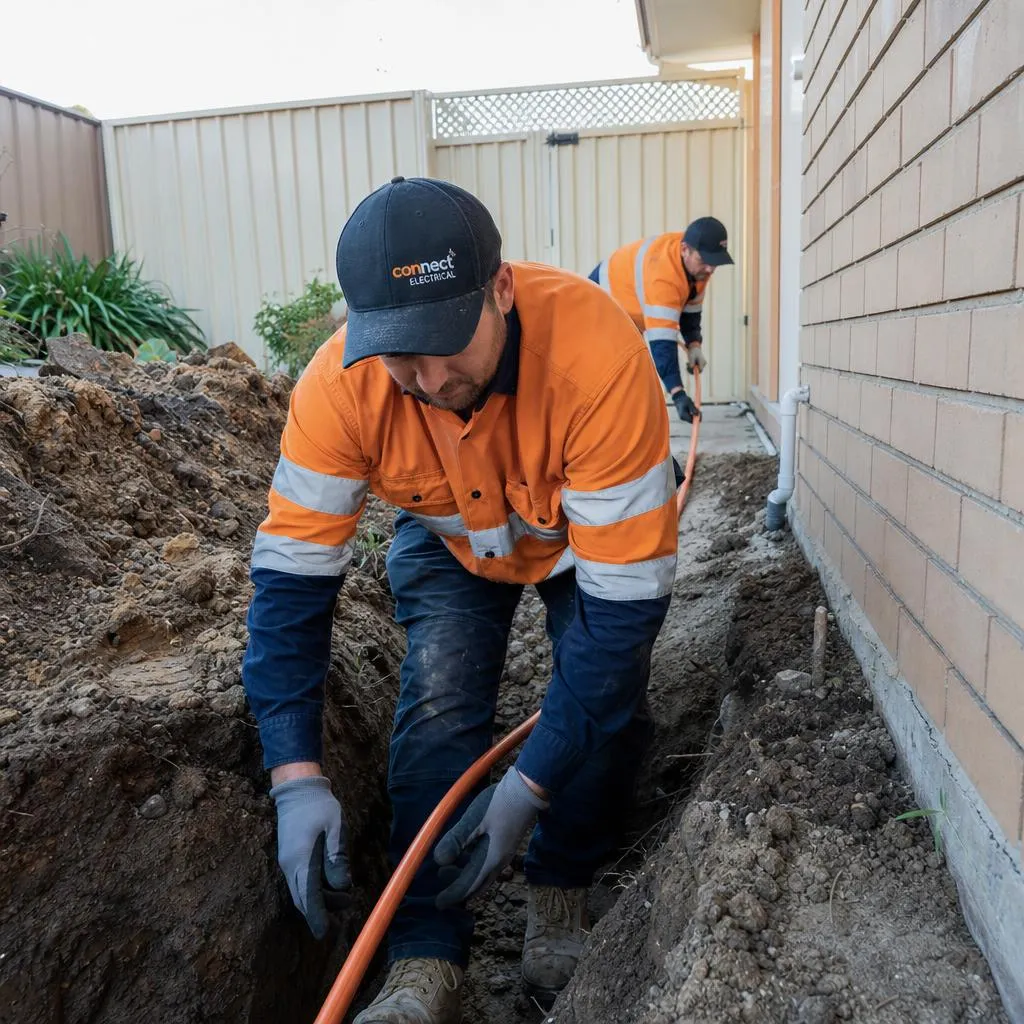
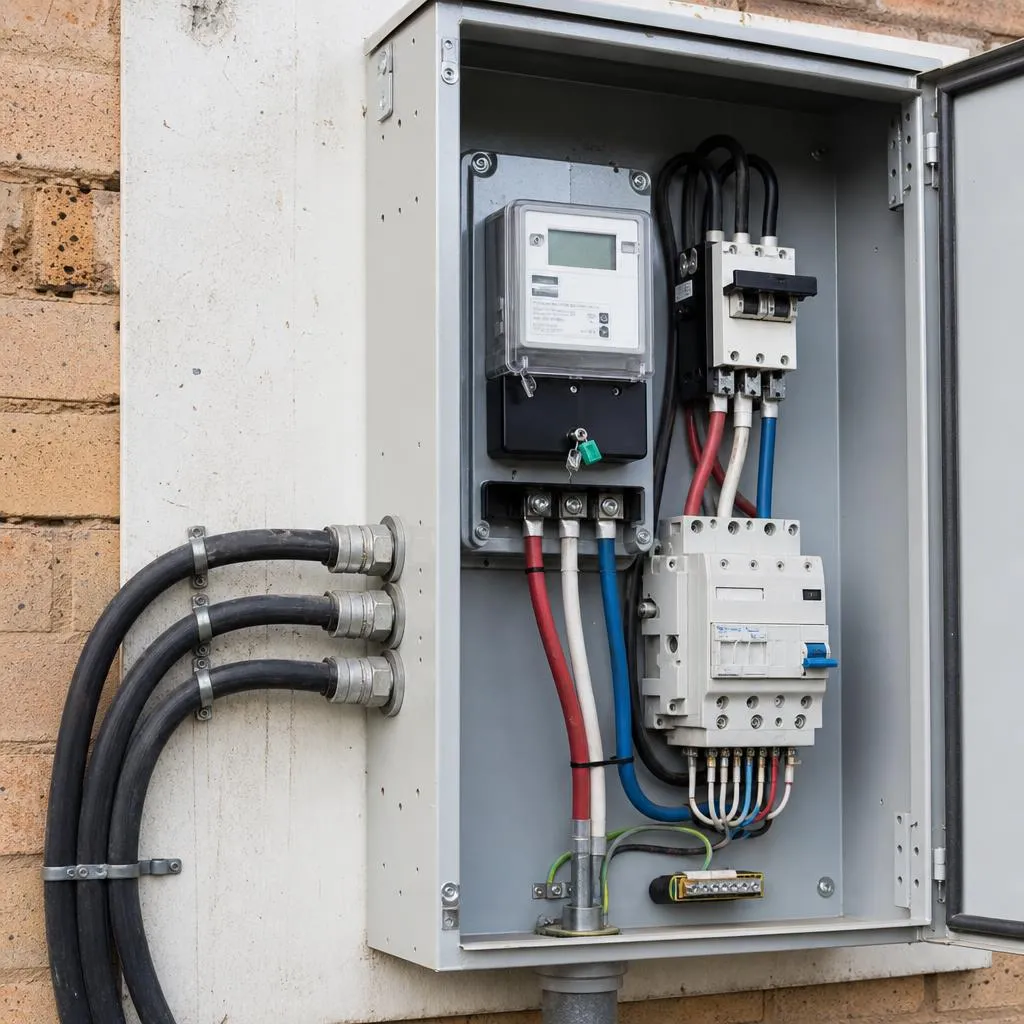
Your consumer mains are the electrical cables that run from the point of attachment or the network connection point through to your main switchboard. They are the private wiring that carries every amp your property uses, and under the Service and Installation Rules of NSW they are the property owner's responsibility — not the network's. Because they sit on the customer side of the connection point, work on them requires a Level 2 Accredited Service Provider (ASP) whenever the mains connect to, or are energised from, the distribution network.
Where the Consumer Mains Begin and End
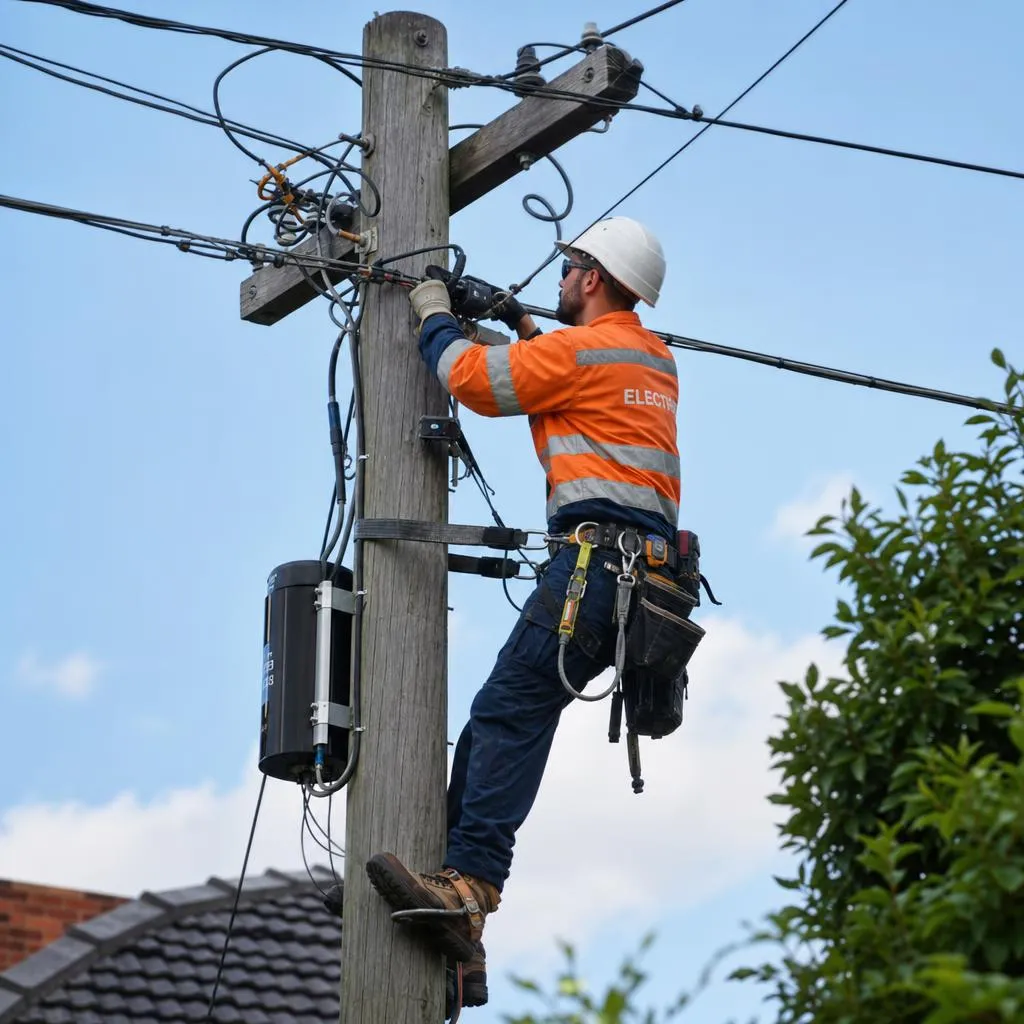
For an overhead supply, the consumer mains start at the point of attachment — the bracket or fitting on your building or private pole where the network's service line lands — and run down to the main switchboard. For an underground supply, they begin at the network connection point (often a pillar box or the pole where the underground run originates) and travel underground to the switchboard.
The distinction matters because everything on the network side of the connection point belongs to Ausgrid, Endeavour Energy, or Essential Energy, and everything on the customer side is the owner's. Consumer mains are firmly on the customer side, which is why replacing or upgrading them is Level 2 ASP work rather than something a network crew attends to.
In older Sydney homes the consumer mains are frequently the weakest link in the supply chain: undersized for modern loads, degraded by decades of heat cycling, or installed in a way that no longer complies with current rules.
Sizing and Compliance Under the NSW Rules
Consumer mains must be sized to carry the property's maximum demand without excessive voltage drop, and installed to AS/NZS 3000 (the Wiring Rules) together with the NSW Service and Installation Rules. A common older cable size is 6mm² or 10mm², which was adequate when a home ran a stove, lights and a few appliances — but is often marginal once you add air conditioning, induction cooking, an EV charger and solar.
When we upgrade consumer mains we typically move to 16mm² or 25mm² copper depending on the calculated maximum demand and the run length. The network also sets minimum standards for the connection: for example, single-phase supplies are commonly limited to 100A, and larger loads push you toward a three-phase supply upgrade.
Voltage drop is the quiet compliance issue. A long, undersized run can leave the far end of the installation below the acceptable voltage band, causing dim lights, poor appliance performance and premature equipment failure. Correct sizing solves this at the source.
Signs Your Consumer Mains Need Replacing
The clearest warning sign is heat: warm or discoloured cables, a hot main switch, or the smell of overheating insulation around the switchboard. Any of these should be treated as urgent, because degraded consumer mains are a genuine fire risk.
Other indicators include frequent nuisance tripping of the main switch under normal load, lights that dim noticeably when large appliances start, and visible cracking or perishing of the cable sheath — especially where the mains have been exposed to sunlight on an overhead run. Homes still fitted with old VIR (vulcanised india rubber) or early PVC cabling are prime candidates for replacement on age alone.
If your property is being upgraded to three-phase power, fitted with solar, or having a switchboard upgrade, the consumer mains are usually assessed and replaced at the same time, because there is little point installing a modern board on undersized incoming cable.
What a Consumer Mains Replacement Involves
As a Level 2 ASP, we begin by arranging a temporary disconnection from the network so the work can be done safely and de-energised. The old cable is removed, the new correctly-sized consumer mains are installed from the connection point to the switchboard, and the switchboard connections are remade to current standards.
For overhead supplies this often coincides with attention to the point of attachment and service line; for underground supplies it may involve new conduit and cable through existing or new trenching. Once the work passes inspection we reconnect and re-energise the supply, and lodge the required notifications with the network.
Sydney Power Group carries out consumer mains replacement across all three NSW network areas, coordinating the disconnection, the physical work and the reconnection so your power is off for the shortest practical window.
Overhead vs Underground Consumer Mains
Consumer mains can run overhead or underground, and the choice affects both the installation and the long-term maintenance. Overhead consumer mains — typically an aerial run from the point of attachment down a wall or across a yard to the switchboard — are cheaper to install but exposed to sunlight, weather and physical damage, and their sheath perishes faster as a result.
Underground consumer mains run through conduit below ground and are protected from UV and weather, giving them a longer service life and a tidier appearance. The trade-off is a higher installation cost because of the trenching and conduit involved, and the fact that a fault in a buried run is harder to locate and repair.
When we replace consumer mains, converting an ageing overhead run to underground is a common upgrade — particularly on properties where the old aerial cable crosses a driveway or garden and has become an eyesore or a hazard. The right choice depends on the site, the run length and the budget, and is confirmed during the on-site assessment.
Frequently Asked Questions
Who is responsible for the consumer mains — me or the network?+
You are. Consumer mains sit on the customer side of the connection point, so under the NSW Service and Installation Rules they are the property owner's responsibility to maintain and replace. The network is responsible for the service line up to the connection point only.
Can a normal electrician replace my consumer mains?+
No. Because consumer mains connect to and are energised from the distribution network, the work requires a Level 2 Accredited Service Provider (ASP). A standard (Level 1) electrician is not licensed to disconnect from or reconnect to the network.
How do I know if my consumer mains are undersized?+
Signs include dimming lights when large appliances start, nuisance tripping of the main switch, and warm or discoloured cabling. A Level 2 ASP can calculate your maximum demand and confirm whether the existing cable size is compliant for your load.
Do consumer mains need replacing when I install solar or an EV charger?+
Often, yes. Adding solar, an EV charger or induction cooking increases demand and, in the case of solar, changes how current flows. Undersized or ageing consumer mains are frequently upgraded at the same time to stay compliant with AS/NZS 3000.
Will my power be off during the replacement?+
Yes, for the duration of the work. We arrange a temporary network disconnection so the mains can be worked on de-energised, then reconnect once the installation passes inspection. We plan the outage to keep it as short as practical.
What cable size are modern consumer mains?+
It depends on your calculated maximum demand and run length, but 16mm² and 25mm² copper are common on modern single-phase upgrades. Three-phase supplies and larger loads may require bigger cable again.
How long does a consumer mains replacement take?+
A straightforward single-phase replacement is often completed within a day, including the disconnection and reconnection. More complex jobs — underground runs, switchboard upgrades or three-phase conversions — can take longer and are quoted after an on-site assessment.
Call us now for a no-obligation quote. Emergency response available 24/7.
0466 125 125Get a Free QuoteWhat Sydney Says About Us
Don't take our word for it — read genuine reviews from real customers on our Google profile, or leave one after your job is done.
Read Our Google Reviews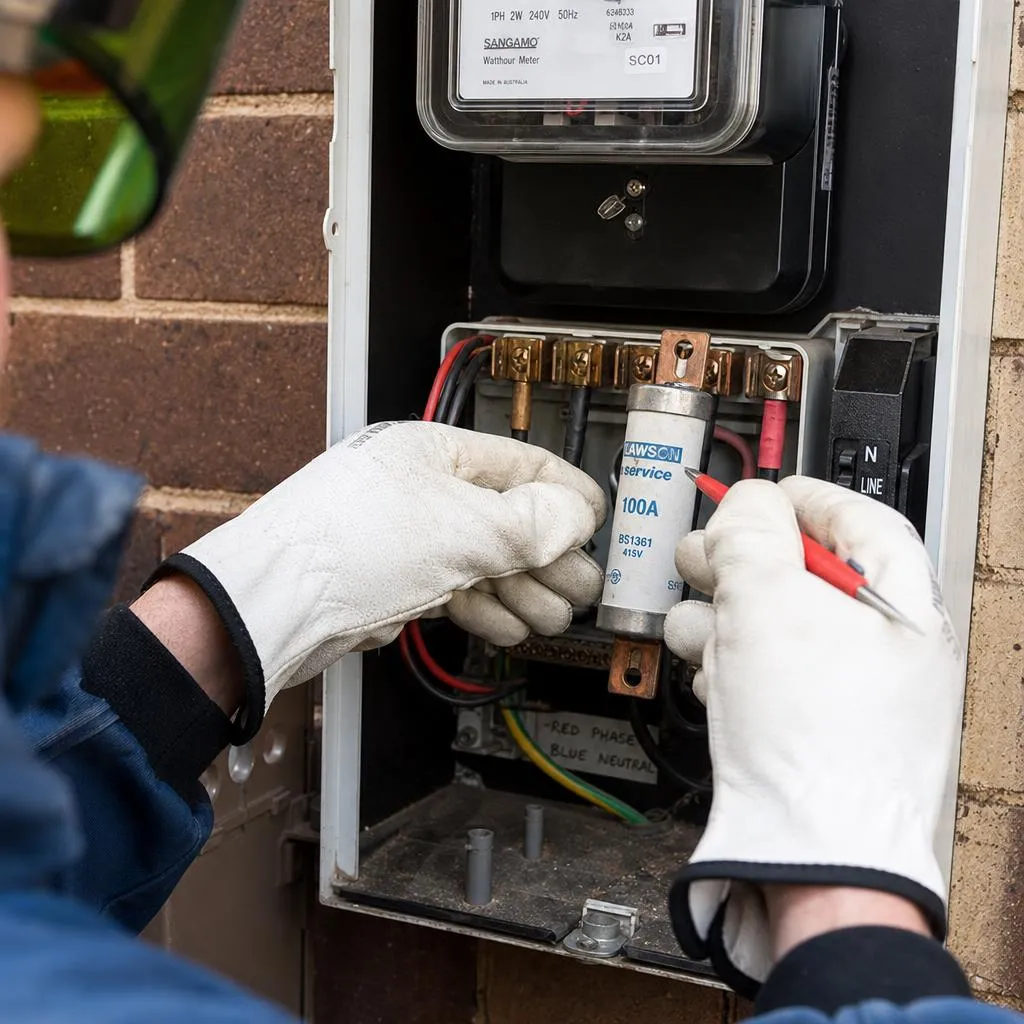
Need a Level 2 ASP Electrician?
Free assessment on any network electrical job. Emergency? We answer around the clock.