Works & Process
Temporary Builders Supply: A Complete NSW Guide
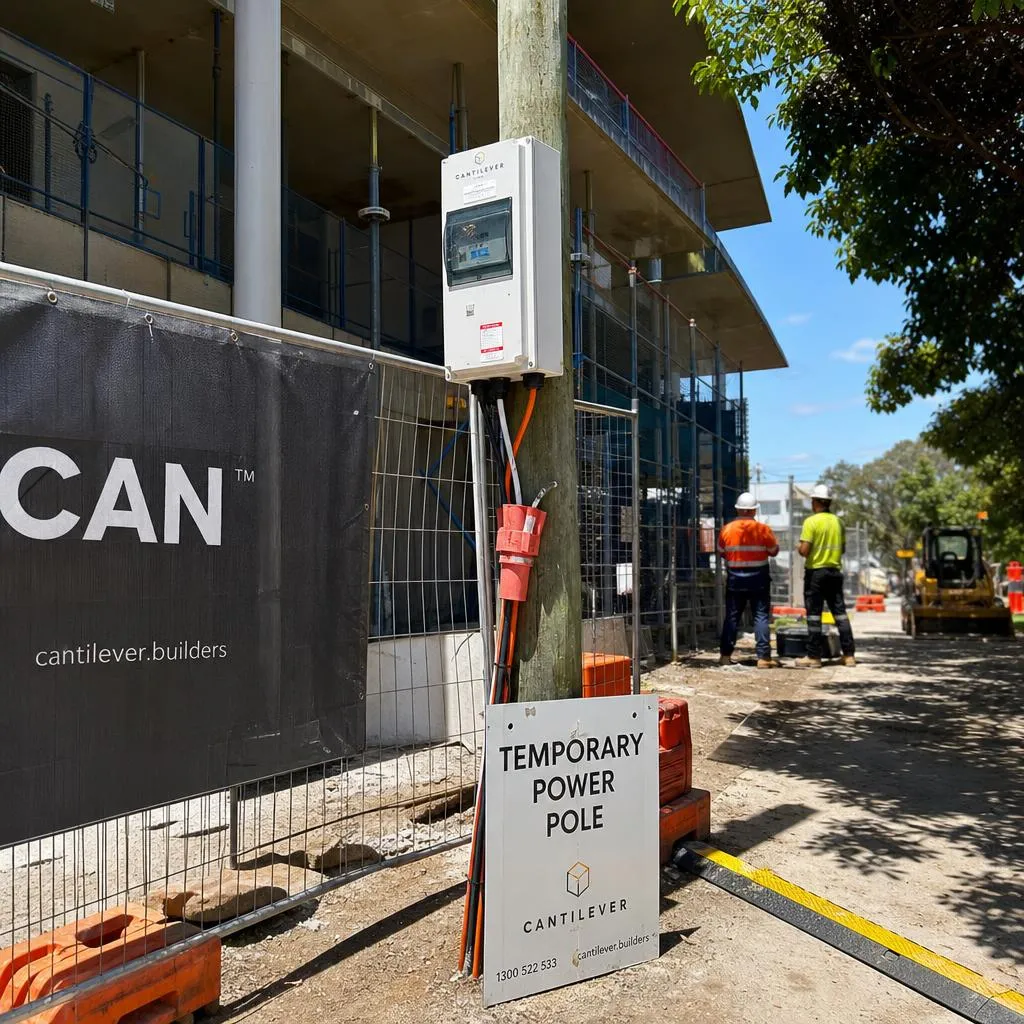
Before the first brick is laid or the first slab is poured, most construction sites in NSW need a temporary builders supply — a compliant, metered connection that powers tools, site sheds, lighting and pumps until the permanent supply is ready. It is one of the most common jobs a Level 2 Accredited Service Provider (ASP) is asked to install, and getting it right the first time keeps your program on track and your workers safe.
What a Temporary Builders Supply Actually Is
A temporary builders supply (often shortened to 'builders pole', 'builders temp' or 'construction supply') is a purpose-built, portable or semi-permanent connection point that provides mains power to a construction site. It typically consists of a treated timber or galvanised steel pole or a freestanding frame, a weatherproof enclosure housing the main switch, residual current devices (RCDs) and circuit breakers, an electricity meter, and outlets rated for site use.
Because the supply connects directly to the distribution network — Ausgrid, Endeavour Energy or Essential Energy depending on your location — only a licensed Level 2 ASP can make the physical connection and energise it. A standard Level 1 electrician can wire and test the outlets on the load side, but the network connection itself is exclusively Level 2 work.
The supply is deliberately temporary. It is designed to be safely energised for the duration of construction, then disconnected and removed (or transitioned to the permanent supply) once the building's own switchboard and consumer mains are ready to take over.
Overhead or Underground: Choosing the Connection
Your site can be fed either overhead or underground, and the choice usually comes down to what infrastructure already exists in the street and the network's rules for your area. An overhead builders supply uses a service line running from the network pole to an attachment point on your builders pole — quick to install where poles already line the street.
An underground builders supply draws from a pillar box, a network pit or an existing underground main, running conductors in conduit up into the enclosure. This is common in newer estates and areas that have been undergrounded. If your permanent supply will ultimately be underground, it often makes sense to plan the temporary supply around the same trenching and conduit route to save on later works.
The NSW Service and Installation Rules set out clearance heights, attachment requirements and conductor sizing for both methods. A Level 2 ASP will confirm which method your distributor will accept for your specific address before quoting.
Safety Requirements on a Construction Site
Construction sites are harsh electrical environments — water, dust, mechanical damage and constant plugging and unplugging all increase the risk of a fault reaching a worker. For that reason, temporary supplies carry stricter protection requirements than a finished home.
All final subcircuits supplying socket outlets must be protected by RCDs (safety switches) with a rated tripping current of 30 mA or less, and the installation must comply with AS/NZS 3012, the standard covering electrical installations on construction and demolition sites. Enclosures must be weatherproof to the appropriate IP rating, the pole must be mechanically stable, and the whole assembly must be positioned clear of vehicle movement and excavation.
SafeWork NSW also expects the supply to be inspected and tested at regular intervals throughout the project. A well-built builders temp makes those inspections straightforward and keeps the site running without electrical stoppages.
How the Connection Process Works
The process starts with a site assessment to confirm the connection method, the metering arrangement and the position of the pole. Your Level 2 ASP lodges the connection application and metering request with your electricity retailer and distributor, arranges for a meter to be provisioned, then builds and installs the supply.
Once the assembly is complete and tested, the ASP physically connects it to the network and energises it. Because Sydney Power Group is accredited across all three NSW network zones, we can handle the whole job — from application to live power — without waiting on a subcontractor for the network-side connection. Our 60-minute emergency response target (arrival depends on location and traffic) also means that if a builders supply faults mid-project, we can be there fast.
Removing or Transitioning the Supply
When the building nears completion, the temporary supply is either removed or the site transitions to its permanent connection. This usually involves a coordinated disconnection and reconnection: the temporary supply is de-energised and removed, and the permanent consumer mains and switchboard are energised in its place.
Planning this transition early avoids a gap in power at the point where you most need it — for final fit-off, testing and handover. A Level 2 ASP will sequence the works so the site is never left without a compliant supply.
Frequently Asked Questions
Do I need a Level 2 electrician for a builders supply?+
Yes. The physical connection to the Ausgrid, Endeavour Energy or Essential Energy network and the energising of the supply can only be carried out by a licensed Level 2 Accredited Service Provider. A standard electrician can wire the load side but not connect to the grid.
How long does it take to get a temporary builders supply connected?+
Once the pole is built and the metering request and connection application are lodged and approved, installation and energising can often happen within days. The main variable is your distributor's approval and meter provisioning timeframe, which your ASP manages on your behalf.
What standard applies to construction site electrical supplies?+
AS/NZS 3012 covers electrical installations on construction and demolition sites, and it works alongside the NSW Service and Installation Rules and AS/NZS 3000 (the Wiring Rules). It sets requirements for RCD protection, enclosure ratings and regular inspection.
Do socket outlets on a builders pole need safety switches?+
Yes. Every final subcircuit supplying socket outlets on a construction site must be protected by a 30 mA (or less) residual current device. This is a strict requirement because of the increased shock risk on site.
Can a builders supply be overhead or underground?+
Both are possible. Overhead uses a service line from a network pole; underground draws from a pillar, pit or existing underground main. The right choice depends on the infrastructure in your street and your distributor's rules for the area.
Is the temporary supply metered?+
Yes. A meter is provisioned so the electricity used during construction is billed. Your ASP lodges the metering request as part of the connection process.
What happens to the builders supply when the building is finished?+
It is either removed or the site transitions to its permanent connection through a coordinated disconnection and reconnection, energising the permanent consumer mains and switchboard in its place.
Call us now for a no-obligation quote. Emergency response available 24/7.
0466 125 125Get a Free QuoteRelated Services
What Sydney Says About Us
Don't take our word for it — read genuine reviews from real customers on our Google profile, or leave one after your job is done.
Read Our Google Reviews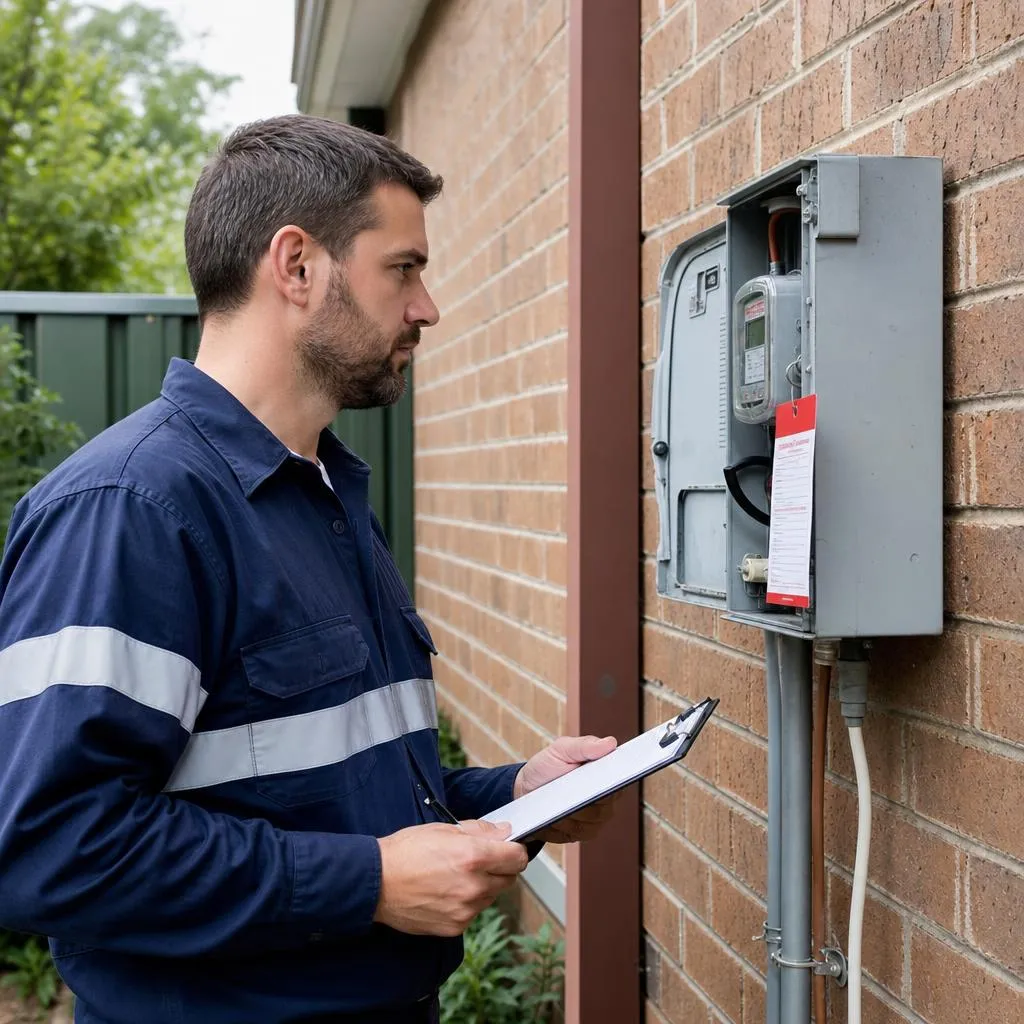
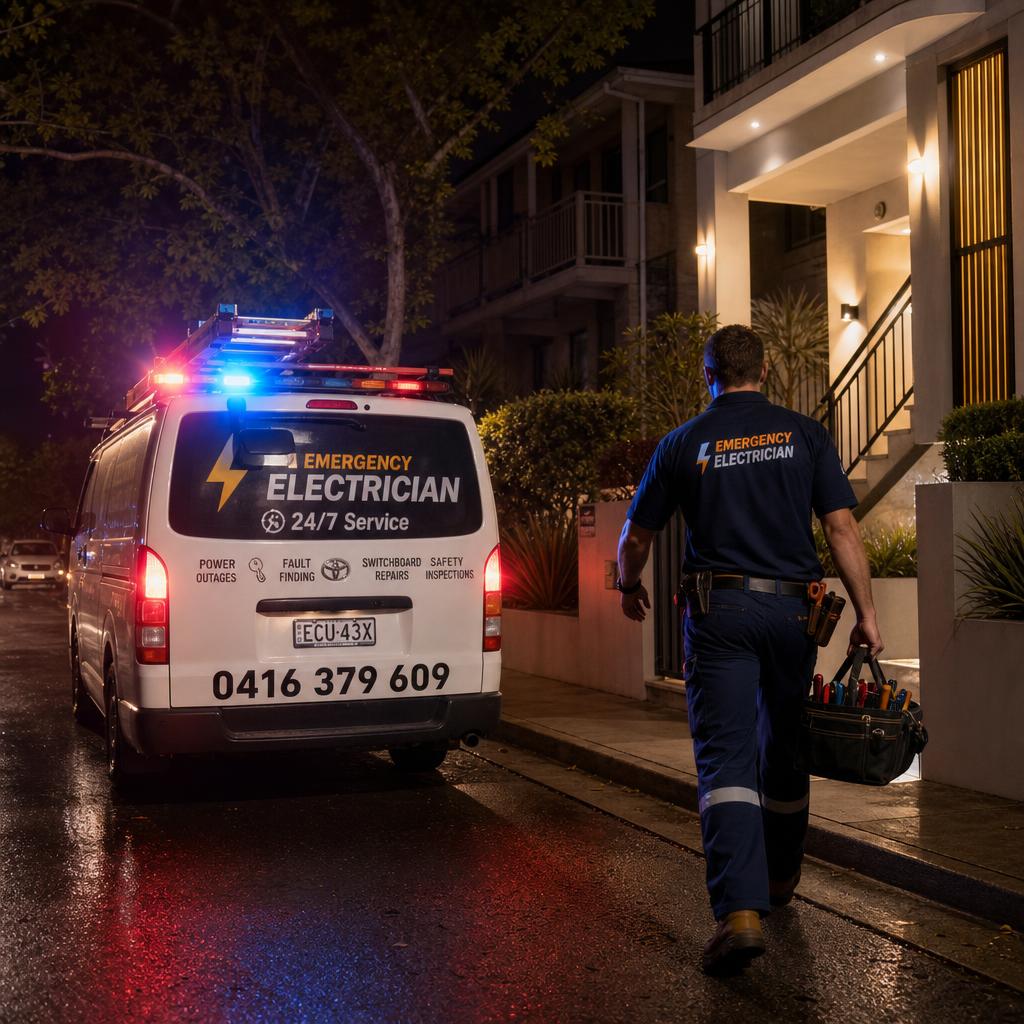
Need a Level 2 ASP Electrician?
Free assessment on any network electrical job. Emergency? We answer around the clock.