Assets & Equipment
Three-Phase Power: What It Is and When You Need It
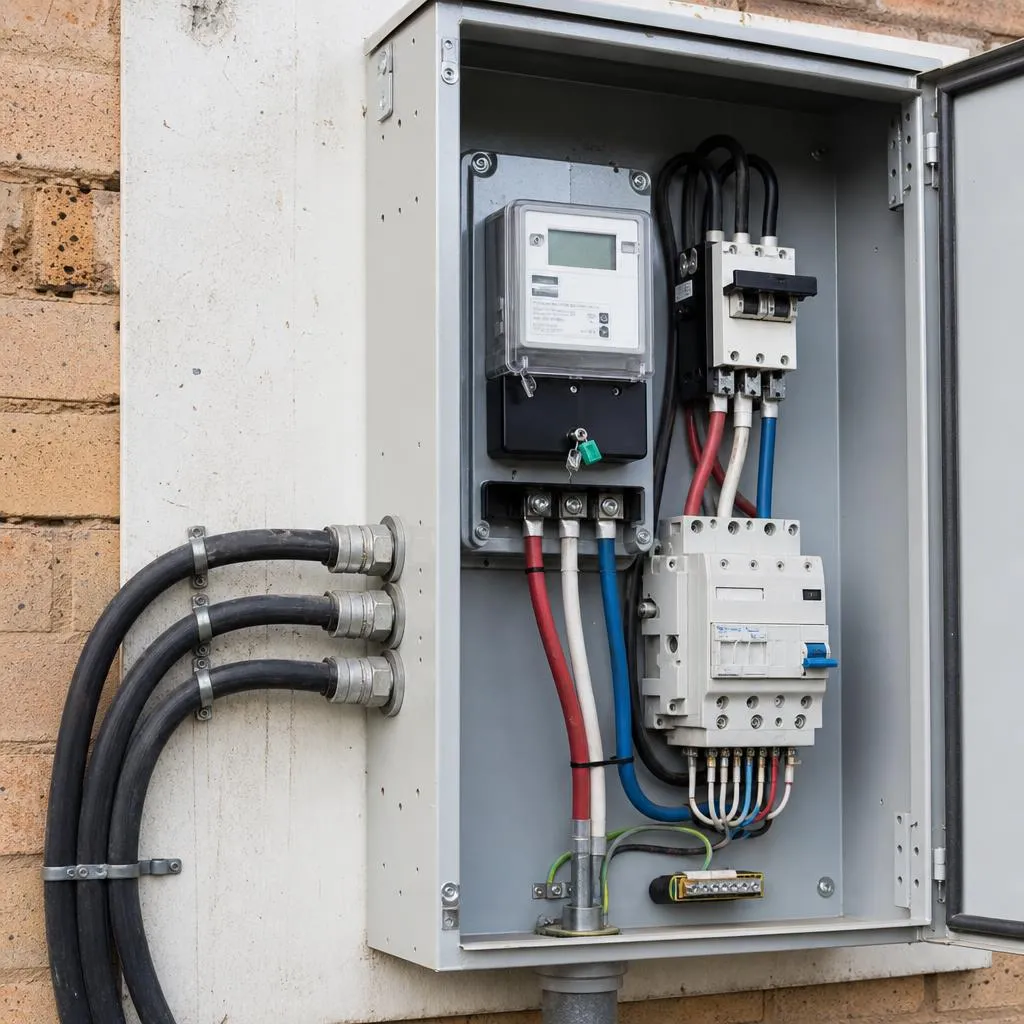
A standard Sydney home is usually supplied with single-phase power — one active conductor and a neutral, typically capable of around 100 amps. Three-phase power uses three active conductors, delivering substantially more capacity and a smoother, more balanced supply for heavy or continuous loads. As homes add ducted air conditioning, induction cooking, large solar systems, EV chargers and workshop equipment, three-phase is increasingly requested. Converting from single to three-phase is Level 2 ASP work because it involves the network connection, the service mains and the switchboard. This guide explains how three-phase differs from single-phase, the signs that you need it, what the upgrade involves, and why balancing the load across the phases matters as much as the supply itself.
How Three-Phase Differs From Single-Phase
Single-phase supply delivers power in a single alternating cycle, which is fine for lighting, general power and modest appliances. Three-phase supply delivers three overlapping cycles offset from one another, which means power is being delivered more continuously and larger motors and loads run more smoothly and efficiently.
The headline benefit is capacity. A three-phase supply can carry considerably more current, allowing loads to be spread across three phases rather than concentrated on one. This reduces the chance of overloading a single phase, cuts voltage drop under heavy load, and gives room to grow as more high-demand equipment is added.
For motors — pool pumps, large air conditioning compressors, workshop machinery — three-phase is often the preferred or required supply because three-phase motors are more efficient and run more smoothly than their single-phase equivalents. They also start with less strain on the supply, which is part of why heavy motor loads on a single-phase service so often cause the lights to dip every time they kick in.
Signs You Need a Three-Phase Upgrade
The most common trigger is a new high-demand appliance that the existing single-phase supply cannot support: ducted air conditioning across a large home, an induction cooktop plus oven, a heat-pump hot water system, or a fast EV charger. If your electrician calculates that your maximum demand exceeds what a single-phase supply can safely deliver, three-phase is the answer.
Another trigger is solar. Larger solar systems — and especially systems with battery storage — often need a three-phase supply to export efficiently and to satisfy network limits on single-phase export in some areas. If you are planning a big solar install, it is worth checking phase requirements early.
Persistent problems on an already-stretched single-phase supply — lights dimming when the aircon starts, nuisance tripping, or the sense that the home is 'maxed out' — also point toward an upgrade. A Level 2 ASP can calculate your maximum demand and confirm whether three-phase is warranted.
What the Upgrade Involves
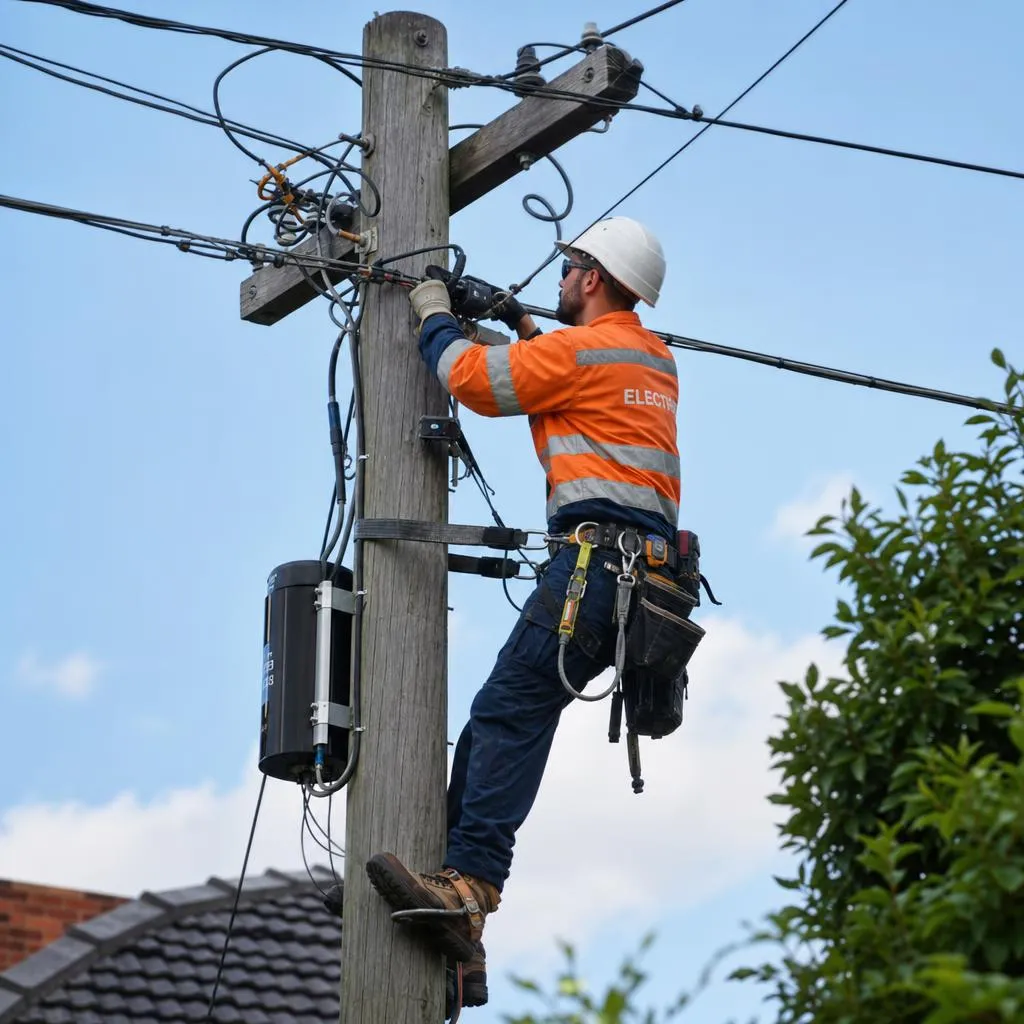
Upgrading to three-phase is a coordinated Level 2 ASP job. First we confirm the network can supply three-phase at your address — in most established Sydney streets it can, but this is checked with the distributor. We then apply to the network to change the connection.
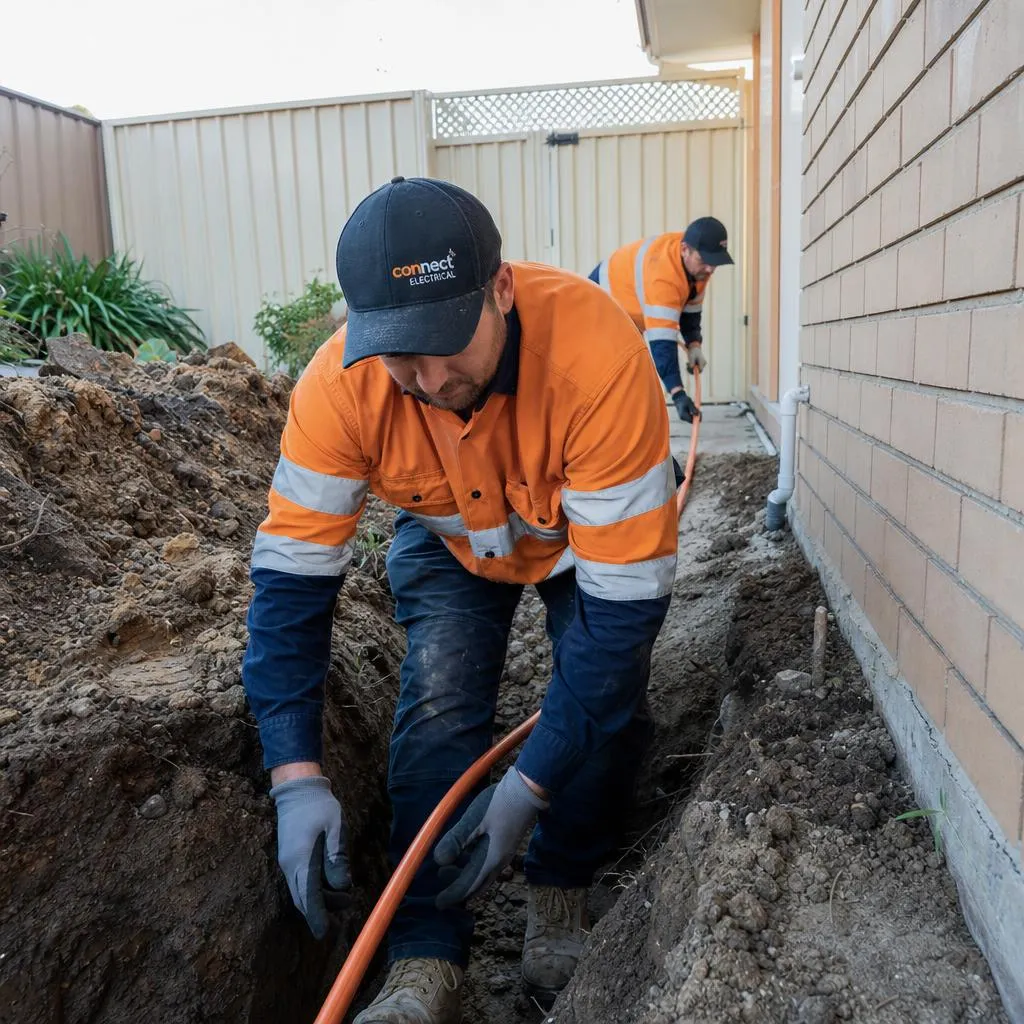
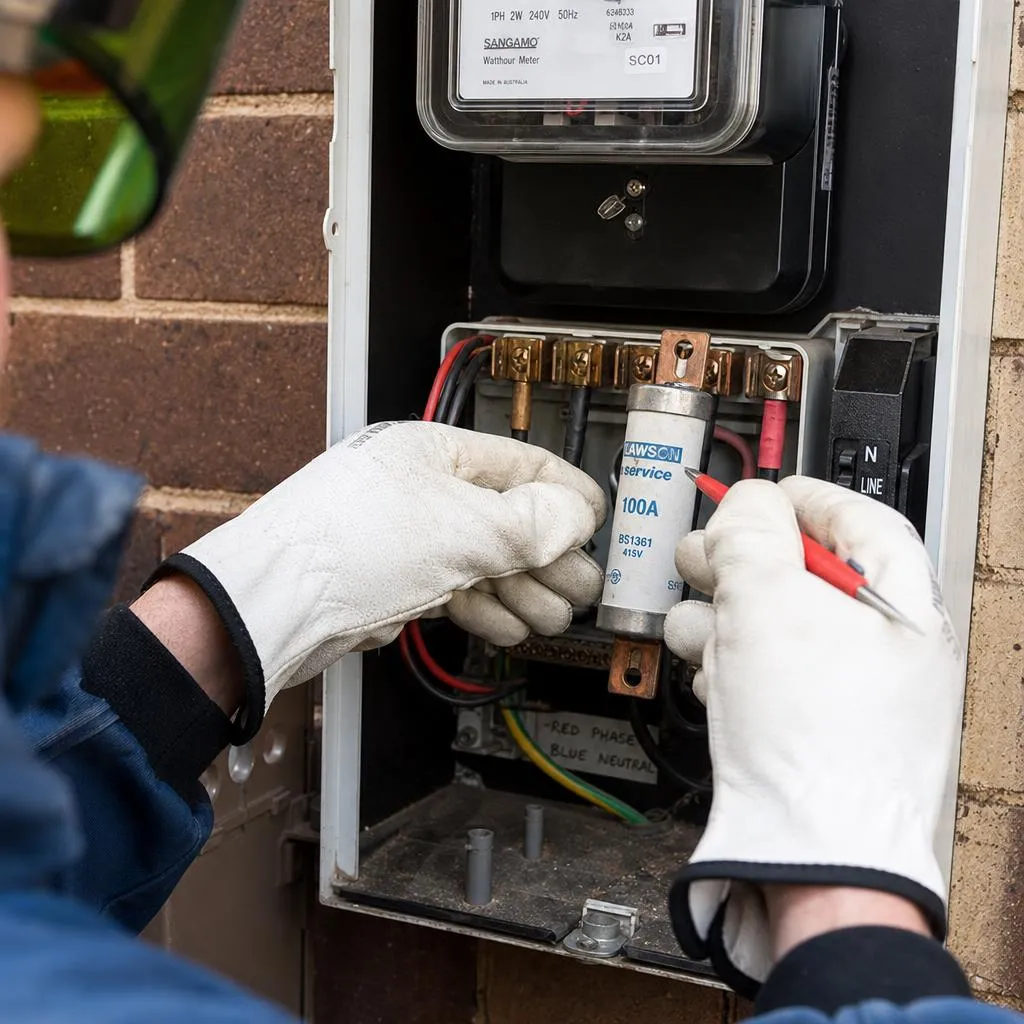
The physical work usually includes new three-phase consumer mains, a new or upgraded three-phase switchboard, an updated metering arrangement, and attention to the point of attachment or underground service. The supply is disconnected while the changeover is made, then re-energised and inspected.
Because the switchboard, mains and metering typically all change together, a three-phase upgrade is usually the point at which an older installation is brought fully up to current standards. Sydney Power Group manages the network application, the installation and the energisation as a single coordinated project.
Costs, Timing and Planning Ahead
Every three-phase upgrade is priced after an on-site assessment because the scope varies widely: the run length of the mains, whether the switchboard needs full replacement, the metering changes required, and whether the service is overhead or underground all affect the work involved.
If you are renovating, building, or planning solar and an EV charger, the smartest approach is to consider three-phase up front rather than retrofitting later. Doing the mains, switchboard and metering once — while walls are open or before the driveway is laid over an underground run — is far more economical than revisiting the installation piecemeal.
As authorised ASPs across Ausgrid, Endeavour Energy and Essential Energy, we can confirm three-phase availability and carry out the supply upgrade anywhere in greater Sydney.
Load Balancing and Phase Distribution
One of the quieter advantages of three-phase is the ability to balance loads across the three phases. In a well-designed three-phase installation, the electrician spreads the property's circuits so that no single phase carries far more than the others — the air conditioning on one phase, the kitchen and hot water on another, general power and lighting on a third.
Balancing matters because an unbalanced three-phase supply loses much of its benefit: if nearly all the load sits on one phase, that phase can still be overloaded while the other two sit idle. Poor balancing shows up as voltage drop, nuisance tripping on the loaded phase, and inefficient use of the capacity you paid to install. A properly balanced board makes full use of the three-phase capacity and runs more smoothly.
This is why the switchboard design is such an important part of a three-phase upgrade — it isn't simply a matter of bringing three phases to the property, but of distributing the circuits sensibly across them. As part of a supply upgrade we assess the loads and lay out the board so the phases are balanced, leaving headroom for future additions like an EV charger or battery.
Frequently Asked Questions
What is three-phase power in simple terms?+
Three-phase power uses three active conductors instead of one, delivering more capacity and a smoother, more balanced supply. It is better suited to heavy or continuous loads such as large air conditioning, EV charging and motors than a standard single-phase supply.
How do I know if I need three-phase?+
You likely need it if your maximum demand exceeds what single-phase can safely deliver — for example when adding ducted air conditioning, induction cooking, a fast EV charger, or a large solar and battery system. A Level 2 ASP can calculate your demand and confirm.
Is three-phase available at my address?+
In most established Sydney streets it is, but availability is confirmed with the distributor as part of the network application. A Level 2 ASP checks this before quoting the upgrade.
What does a single-to-three-phase upgrade involve?+
It typically includes new three-phase consumer mains, a new or upgraded three-phase switchboard, updated metering, and attention to the point of attachment or service. The supply is disconnected during the changeover, then re-energised and inspected.
Will three-phase reduce my power bills?+
Three-phase itself doesn't lower your tariff, but it can run large motors and appliances more efficiently and reduce voltage drop. The main reason to upgrade is capacity for high-demand loads, not a direct saving on the bill.
Do I need three-phase for solar?+
Not always, but larger solar systems and battery installations often benefit from or require three-phase, partly due to network limits on single-phase export in some areas. It's worth confirming phase requirements before sizing a large system.
How long is my power off during the upgrade?+
The supply is off while the changeover is made — usually planned for part of a day. The exact outage depends on the scope, and we schedule it to be as short as practical and coordinated with the network.
Call us now for a no-obligation quote. Emergency response available 24/7.
0466 125 125Get a Free QuoteWhat Sydney Says About Us
Don't take our word for it — read genuine reviews from real customers on our Google profile, or leave one after your job is done.
Read Our Google ReviewsMore From The Knowledge Centre
Need a Level 2 ASP Electrician?
Free assessment on any network electrical job. Emergency? We answer around the clock.