Overhead & Underground Mains
Underground vs Overhead Service Lines: Which Is Right?
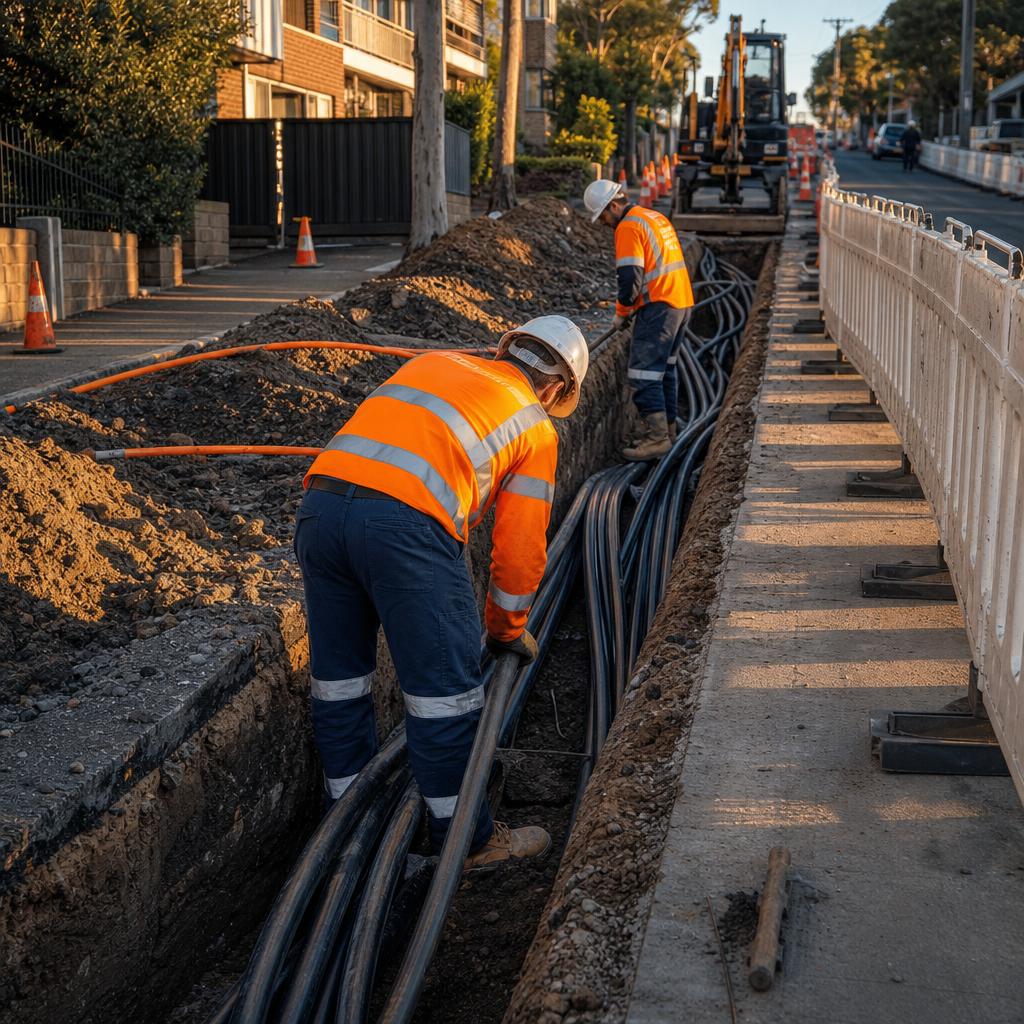
When power comes from the street to your property, it does so either through the air on an overhead service line or buried in the ground as an underground service line. Both are legitimate, both need a Level 2 ASP to install, and the right choice depends on your site, your budget and sometimes on rules you don't get to choose. Here's a clear-eyed comparison.
How Each Type Works
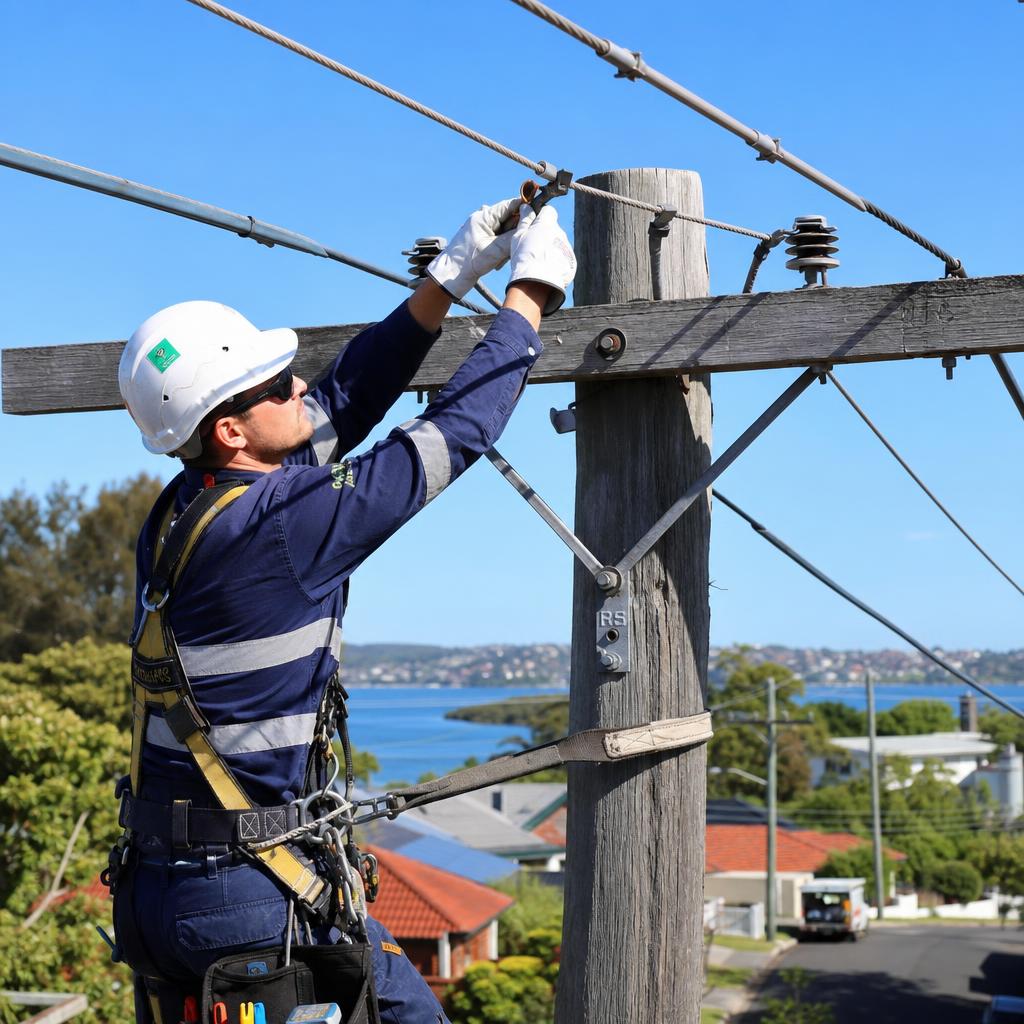
An overhead service line runs from a network pole (or a private pole on your land) through the air to a point of attachment on your building. It's the traditional method and still the most common across Sydney's suburbs.
An underground service line runs from a network pit or pillar, or down a pole and into a trench, then along a buried conduit to your meter box. There are no visible wires. For a broader look at the two approaches, see our overhead vs underground mains guide.
Both terminate at your metering and switchboard, and both are network-side work — a standard electrician can't legally install either.
The Case for Overhead
Overhead is quicker and cheaper to install because there's no excavation. If you need a new connection or a service replaced without a big budget or a long lead time, overhead is usually the pragmatic choice.
It's also easier to inspect and repair — a fault on an overhead line is visible and accessible, so diagnosis and fixes tend to be faster and less disruptive.
The trade-offs are exposure to weather, falling branches and UV degradation, plus the visual clutter of wires across your property. Overhead lines also need clearances from trees, structures and pools, which can be a limitation on tight or heavily planted blocks.
The Case for Underground
Underground service lines are protected from storms, wind and tree contact, so they tend to be more reliable in the long run and aren't at risk during the severe weather that regularly knocks out overhead supply across Sydney. They also look far neater — no wires crossing the property.
For new builds, knock-down rebuilds and renovations where the streetscape and clearances matter, underground is increasingly the preferred option, and some developments and councils effectively require it.
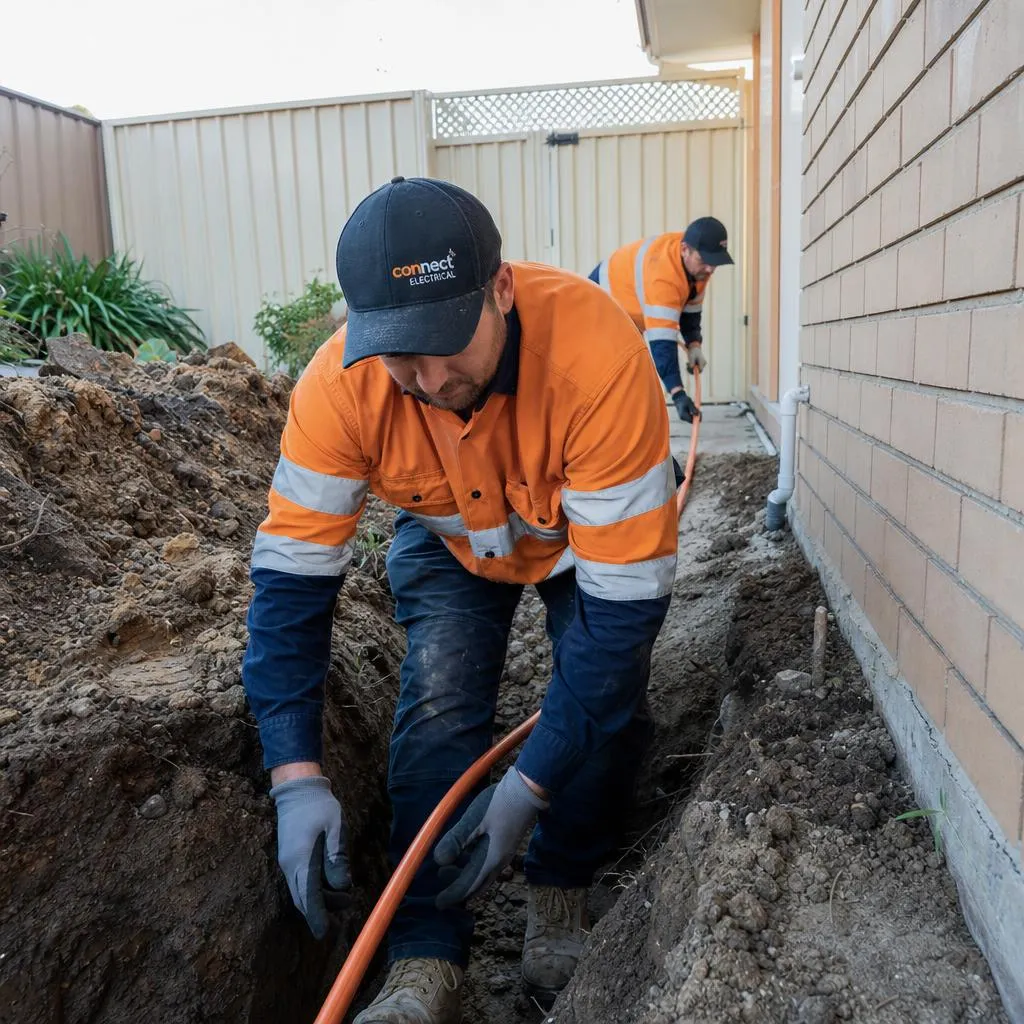
The downsides are cost and disruption at install time: trenching, conduit, cable pulling and reinstatement of driveways, paths and gardens. Faults, though rarer, can also be harder to locate and repair because the cable is buried — including damage from tree roots and ground movement.
Cost Compared
Overhead almost always wins on upfront cost because it skips excavation and reinstatement. Underground costs more, and the biggest variable is what the trench has to cross — soft lawn is cheap to reinstate, but a concrete driveway, paving or an established garden pushes the price up.
Length of run and ground conditions (rock, existing services, water table) also drive underground cost. On a long or difficult run the difference can be substantial.
It's worth weighing lifetime value, not just install price. Underground's resistance to storm damage and its tidier appearance can justify the premium, particularly on a property you plan to keep long term. We'll give you both options where the site allows so you can decide.
Converting Overhead to Underground
Many owners choose to convert an existing overhead supply to underground during a renovation or landscaping project, to remove the wires and reduce storm risk. It's a Level 2 ASP job involving trenching from the network point to the meter, new conduit and cable, a new point of connection, and coordination with Ausgrid, Endeavour Energy or Essential Energy.
Timing it alongside other groundwork — a new driveway, fence or landscaping — saves money because the trench and reinstatement overlap with work you're doing anyway.
Whether conversion is straightforward depends on where the network connection point sits and how far the cable has to run. We assess this on site before quoting.
Choosing the Right Option for Your Property
There's no universally 'better' choice — overhead suits tight budgets and quick connections, underground suits new builds, tidy streetscapes and storm resilience. Sometimes clearances, council rules or a developer's requirements make the decision for you.
Sydney Power Group installs both, and we'll advise honestly which makes sense for your block rather than pushing the pricier option. Call 0466 125 125 or book a free on-site quote and we'll walk you through the choice for your property.
Call us now for a no-obligation quote. Emergency response available 24/7.
0466 125 125Get a Free QuoteRelated Services
Need a Level 2 ASP Electrician?
Free assessment on any network electrical job. Emergency? We answer around the clock.