Metering & Solar
Why Your Electricity Bill Increased
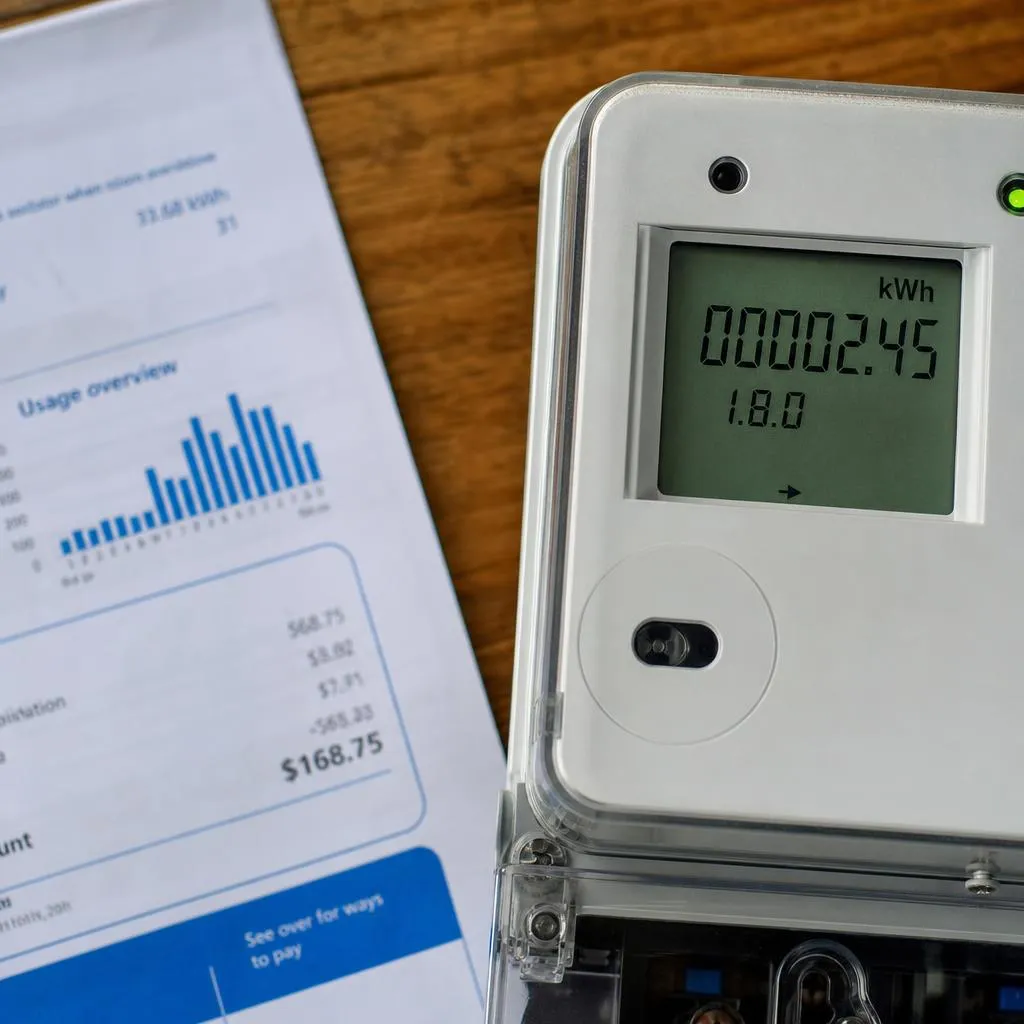
Opening a power bill that's noticeably higher than last quarter is frustrating, especially when your habits haven't changed. In Sydney, a rising bill often comes down to a mix of tariff structure, meter type, and the network charges set by Ausgrid, Endeavour Energy, or Essential Energy — not just how much power you used. If a meter change or smart metering upgrade is part of the picture, that's network-side work handled by a Level 2 ASP like Sydney Power Group.
Usage Isn't the Only Factor
Every bill has two big components: the energy you consume (measured in kilowatt-hours) and the fixed daily supply charge that covers your connection to the grid. Even if your usage stays flat, a rise in the daily supply charge or a shift in your tariff rate can push the total up.
Seasonal swings matter too. A cold Sydney winter drives heating and hot water loads far higher than a mild autumn, so comparing a winter bill to a spring one rarely tells the full story. Look instead at the same quarter year-on-year. Hot water is often the single biggest slice — the hot water running cost comparison shows what yours costs per year on full rate, off-peak and a heat pump.
Tariffs and Time-of-Use Metering
If you've moved from a flat-rate tariff to a time-of-use plan — often triggered when an old accumulation meter is replaced with a smart meter — the price you pay now depends on *when* you use power. Running the dryer or air conditioner during peak evening hours costs significantly more than the same load at midday.
Many Sydney households don't realise this switch has happened until the bill arrives. Checking your plan and shifting flexible loads (laundry, dishwasher, pool pump) to off-peak windows can claw back a meaningful chunk of the increase. To see what any single appliance is actually adding, the appliance running cost calculator works it out per week, quarter and year at your own electricity rate.
Network Charges and Meter Faults
Part of every bill is the network charge your distributor sets to maintain poles, wires, and substations. These are reviewed periodically and can rise independently of your retailer. Your retailer passes them on, which is why two households on different plans can both see increases at once.
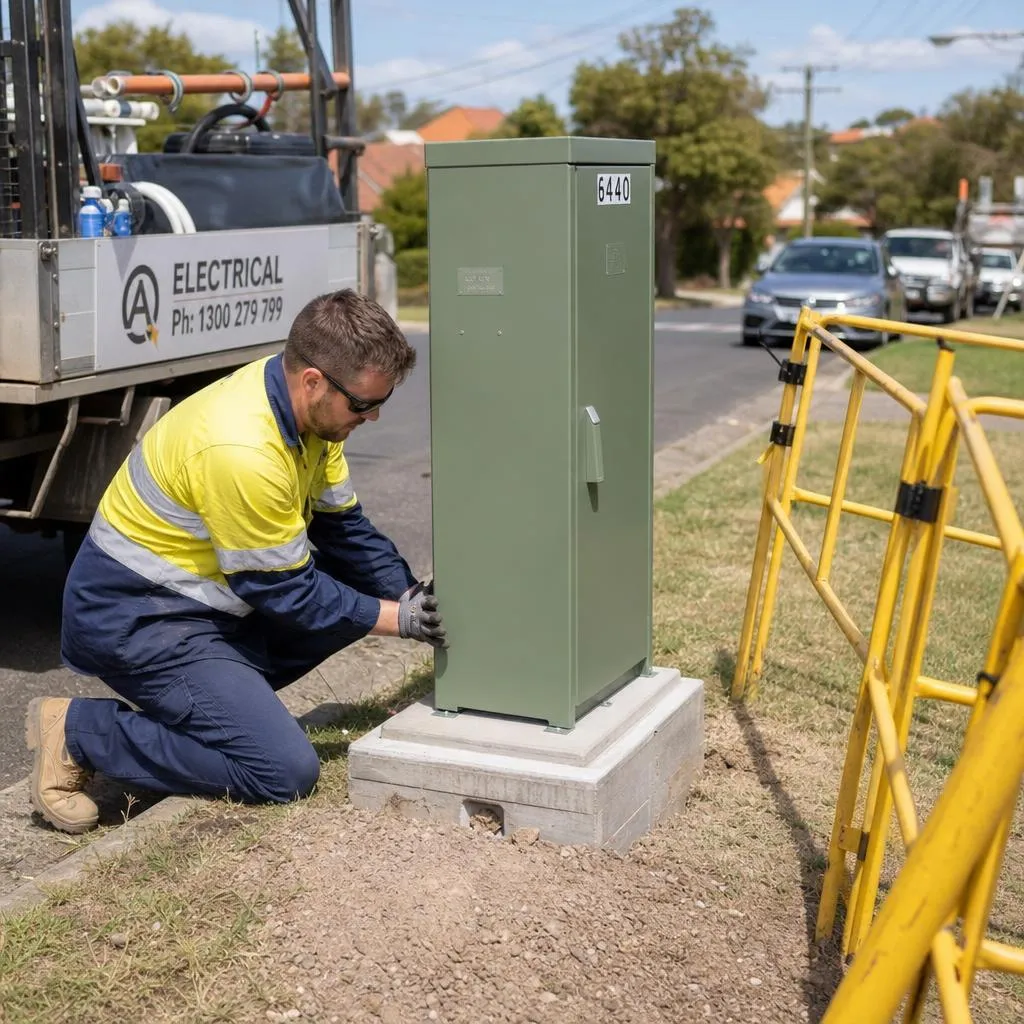
Occasionally a genuinely faulty meter or a wiring issue on the supply side inflates readings. If your bill spikes with no lifestyle change, it's worth having the metering and connection checked. Meter and service line work sits on the network side and legally requires a Level 2 ASP.
When to Call a Level 2 ASP
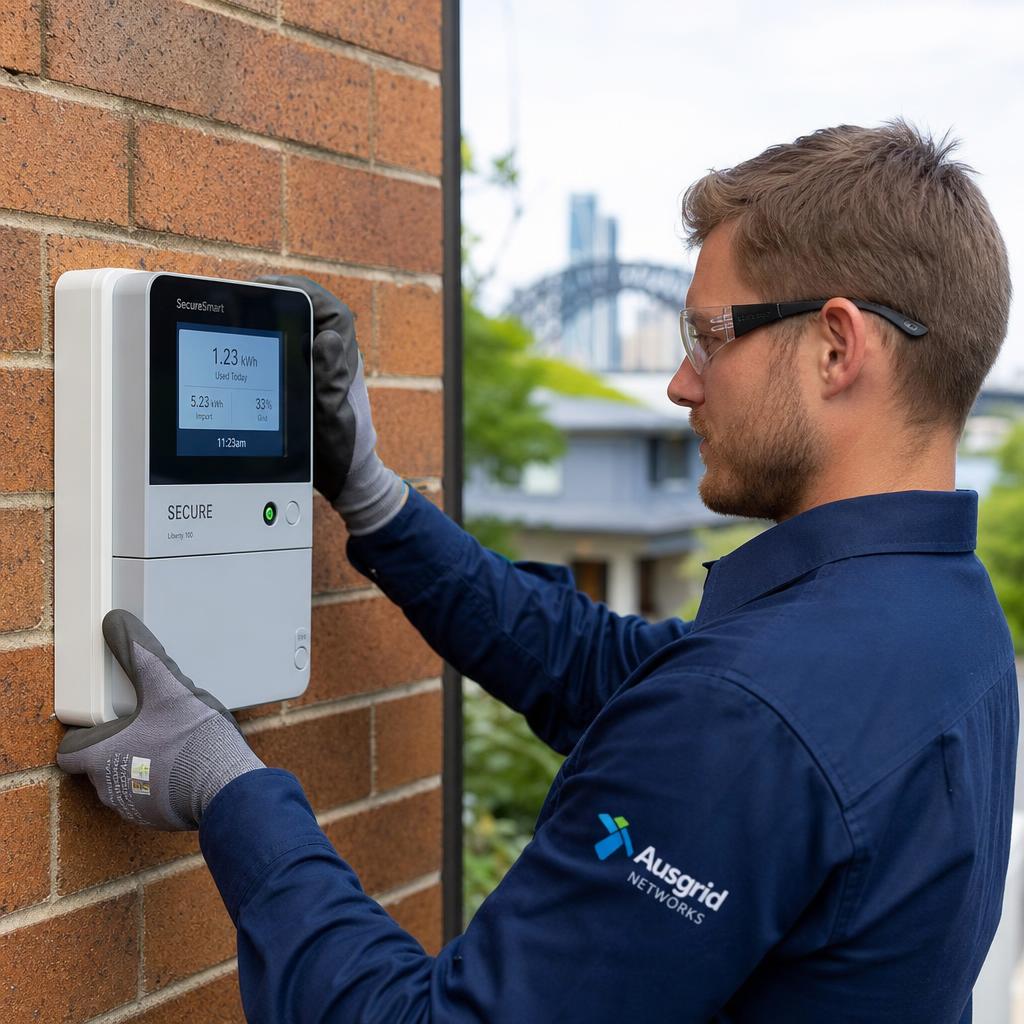
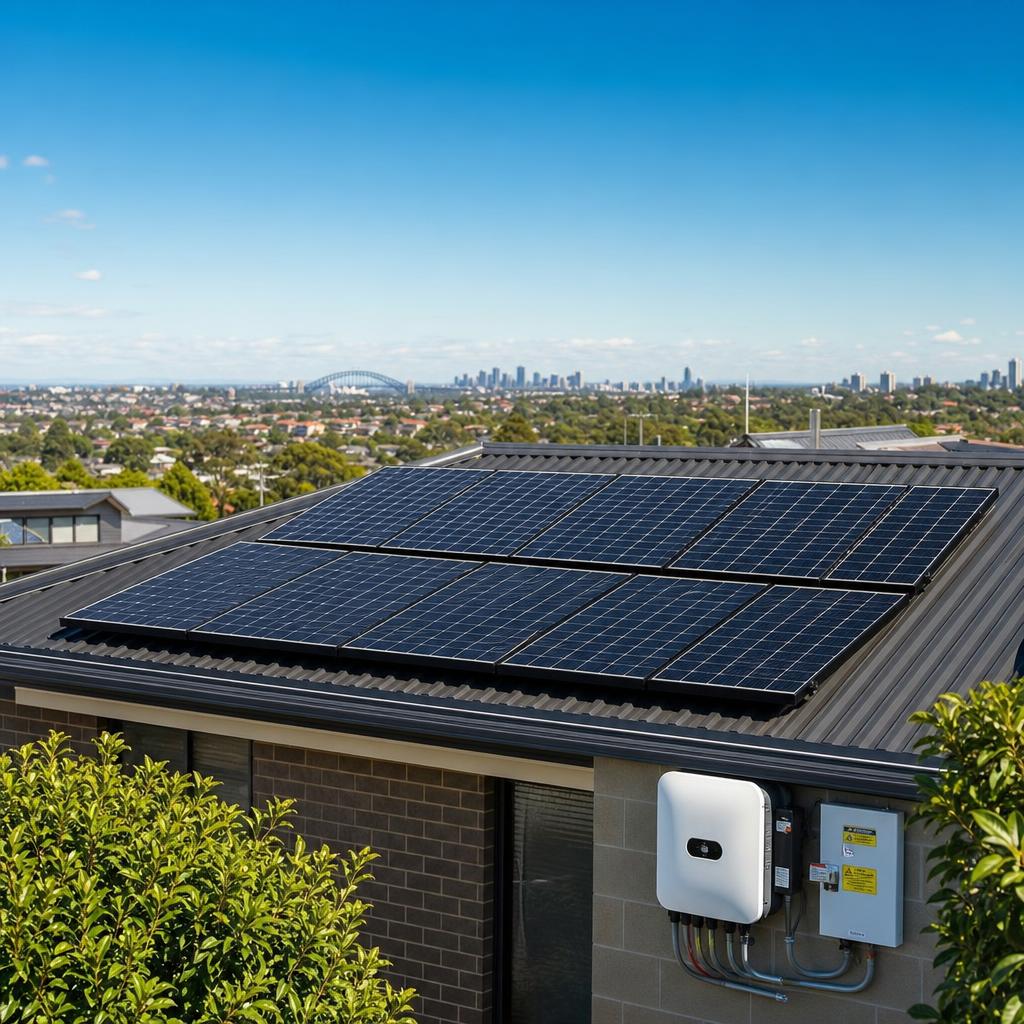
If you suspect a metering fault, need a meter reconfigured, or are upgrading to smart or solar-ready metering, that's Level 2 territory. A standard electrician can't touch the meter or the network connection. Sydney Power Group can inspect your metering, arrange the upgrade, and coordinate with your distributor so the paperwork is right the first time.
Not sure whether your increase is usage, tariff, or a fault? Call 0466 125 125 or book a free on-site quote and we'll help you get to the bottom of it.
Call us now for a no-obligation quote. Emergency response available 24/7.
0466 125 125Get a Free QuoteRelated Services
Free Tools
Need a Level 2 ASP Electrician?
Free assessment on any network electrical job. Emergency? We answer around the clock.