Switchboards
Why Do Switchboards Catch Fire?
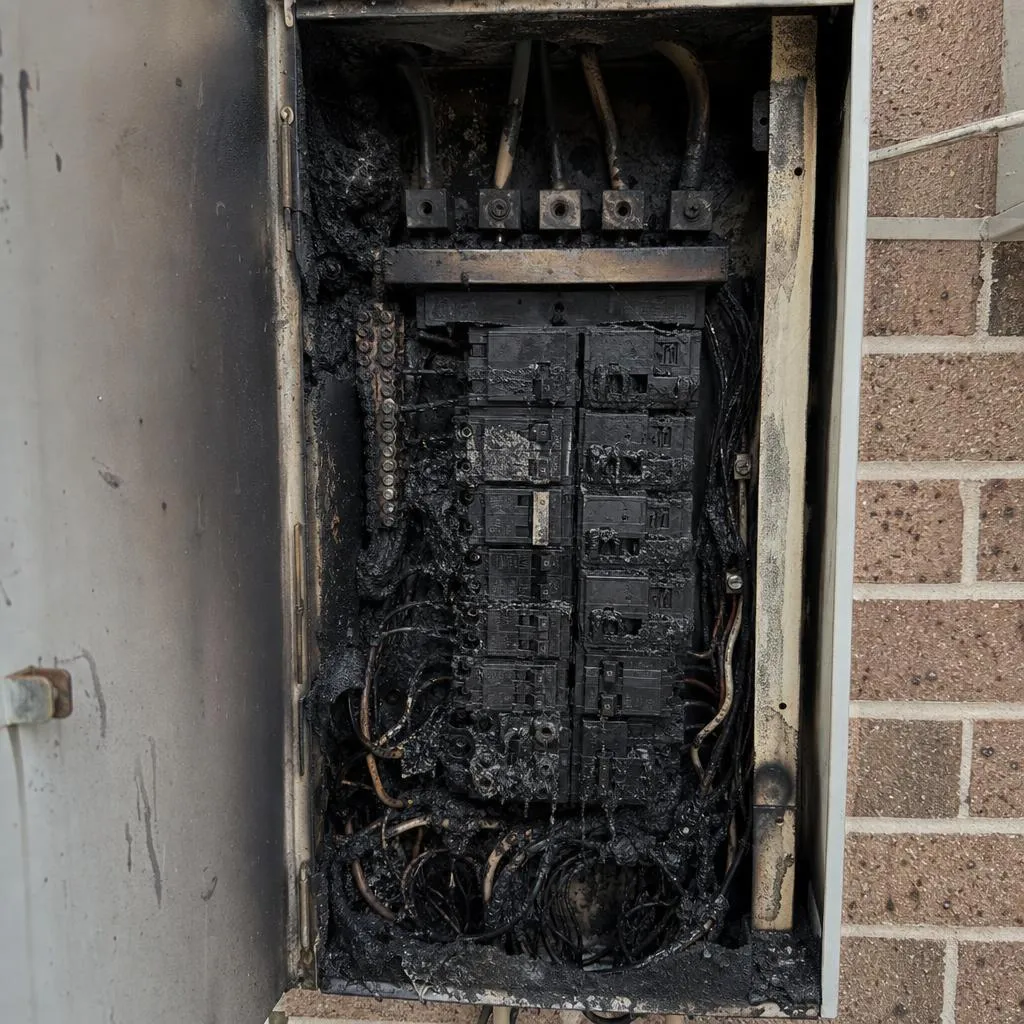
A switchboard fire is one of the most serious electrical hazards a home can face, and the frustrating part is that they almost never happen out of nowhere. There are usually warning signs for weeks or months beforehand. Understanding what causes these fires — and knowing when the fix crosses into Level 2 ASP territory — can help you act before it becomes an emergency. When in doubt, talk to Sydney Power Group.
Loose and Corroded Connections
The leading cause of switchboard fires is heat from loose or corroded connections. Where a conductor isn't held tightly, electrical resistance rises, that resistance generates heat, and over time the heat degrades the surrounding plastic and insulation until it ignites.
Connections can loosen naturally from years of heating and cooling cycles, or from vibration and ageing hardware. This is exactly the kind of fault that a routine switchboard inspection is designed to catch.
Ageing Components and Old Materials
Older boards often contain components well past their reliable life, and some very old installations still use materials that don't cope with modern electrical loads. Ceramic fuses and worn-out breakers can fail to trip cleanly, allowing faults to persist and heat to build.
If your board looks like it belongs to another era, a switchboard upgrade replaces the risky old gear with modern, properly rated protective devices. Unsure whether yours qualifies? Our 60-second switchboard quiz gives you a straight answer.
Overloading and Poor Workmanship
Drawing more current than a circuit or board was designed for generates sustained heat, and homes today ask far more of their electrics than they did decades ago. Add in any past DIY or unqualified work, and you have a recipe for trouble.
Overloading is also a reason to consider whether your supply itself needs upgrading, especially in larger or heavily appliance-loaded homes.
Warning Signs and What to Do
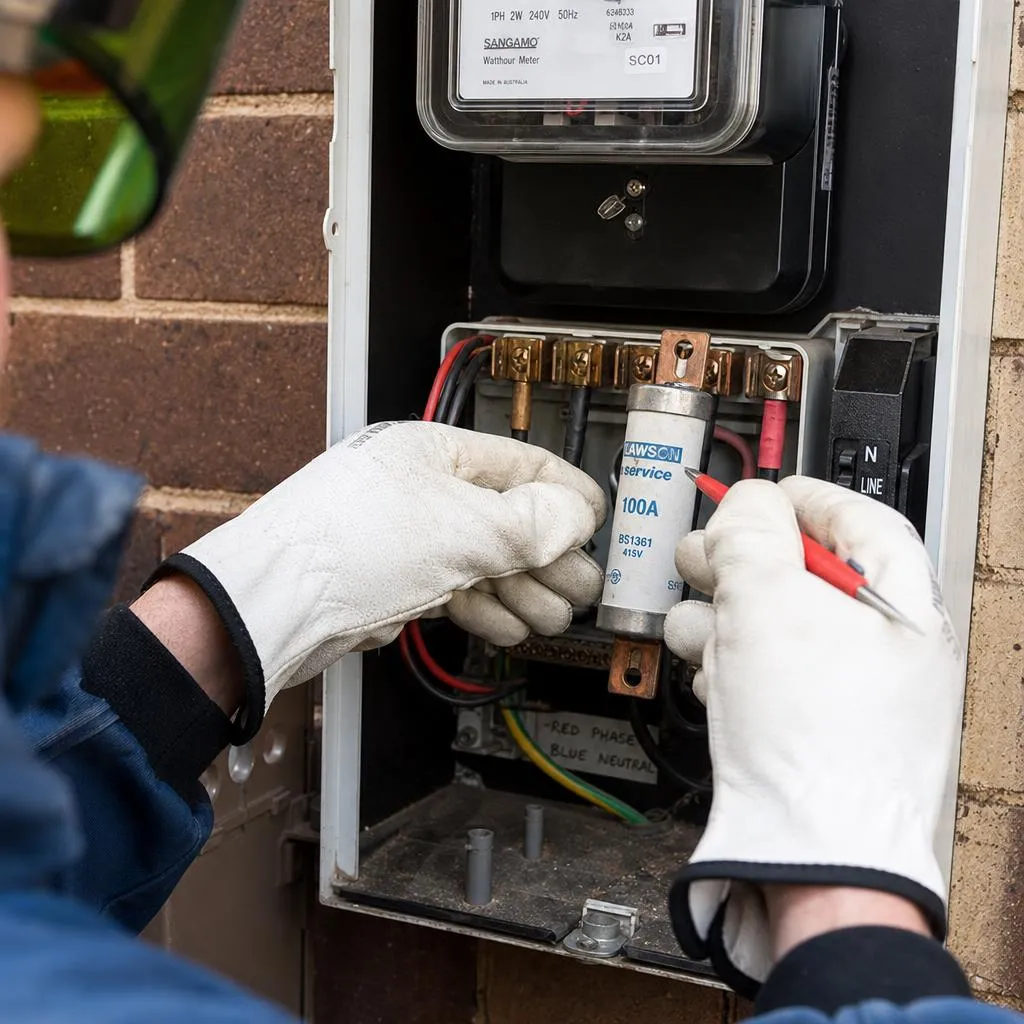
Take these seriously: a burning or fishy plastic smell near the board, buzzing or crackling sounds, warm or discoloured switches, scorch marks, or breakers that trip repeatedly. Any of these means you should stop using the affected circuits and call an electrician. If the fault involves the service fuse or the network connection, it's Level 2 ASP work. For urgent help across Sydney, call 0466 125 125 or reach our emergency team.
Call us now for a no-obligation quote. Emergency response available 24/7.
0466 125 125Get a Free QuoteRelated Services
Free Tools
Need a Level 2 ASP Electrician?
Free assessment on any network electrical job. Emergency? We answer around the clock.